
- Surveys & Inspections
Call Us Anytime!
Our team is always ready to pick your call and help you.
01670 331788
Independent, Evidence-Based Surveys Surveys
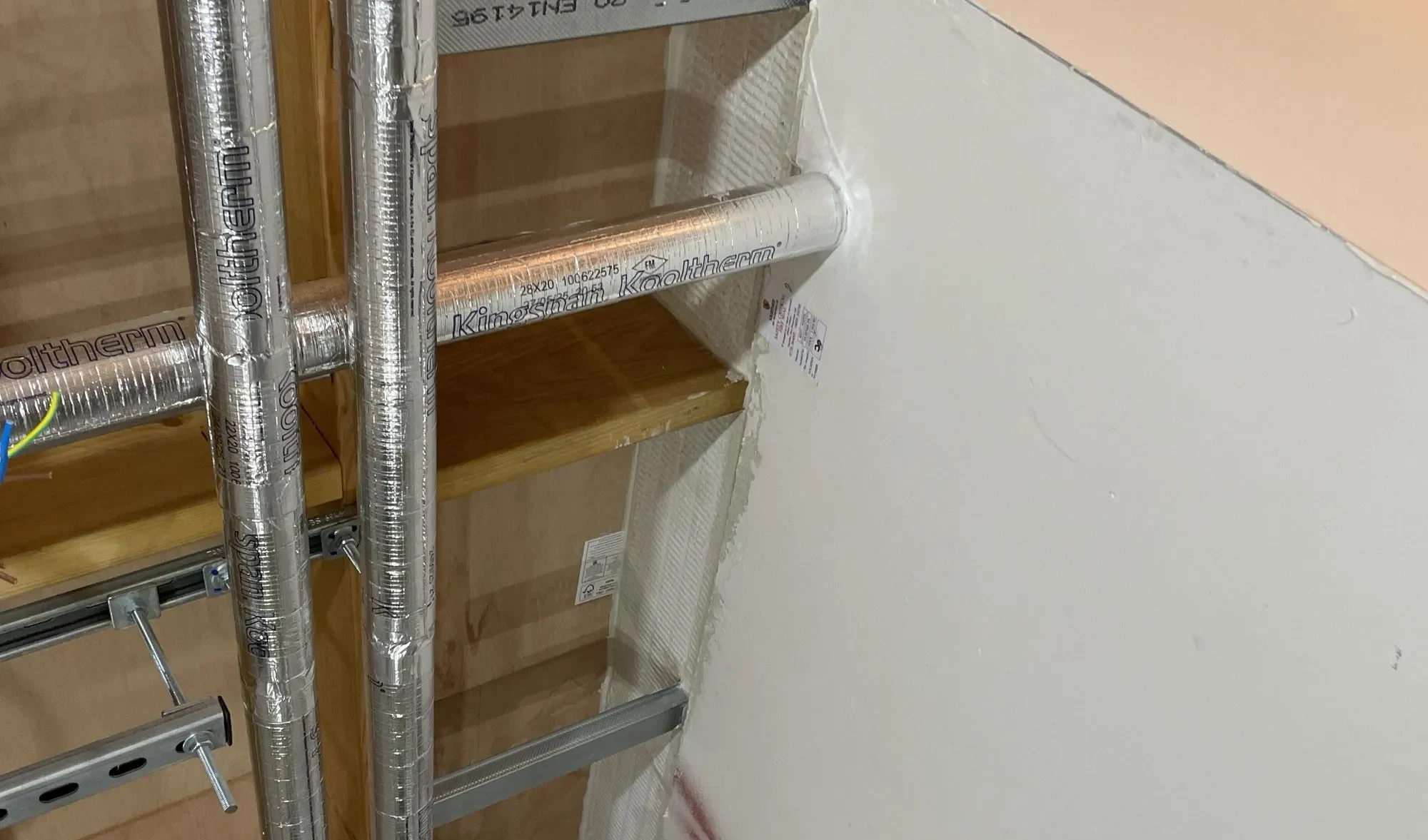
We carry out three principal survey types: fire door surveys (every doorset within scope, recorded against a digital register); compartmentation surveys (every wall, floor, service penetration and cavity within scope, recorded against the building drawings); and Type 4 intrusive fire risk assessments (a destructive sample-based investigation of concealed construction). All three are delivered by surveyors holding relevant third-party qualifications and using calibrated equipment.
Where the client requires a single combined report — for example, a fire risk assessment supplemented by a fire door and compartmentation survey — we package the outputs into a single deliverable that aligns to the building’s safety case under the Building Safety Act 2022.
Our Capability Includes
- Fire door surveys to BS 8214 and FDIS standards
- Compartmentation surveys to ASFP TGD 19 guidance
- Type 4 intrusive fire risk assessments
- External wall (EWS1 / PAS 9980) supporting surveys
- Pre-purchase due diligence surveys for institutional investors
- Insurer-driven surveys for high-risk premises
- Resident-liaison-led surveys in occupied buildings
- Drone-supported high-level external surveys where required
Our Delivery Process
Frequently Asked Questions
What is a Type 4 fire risk assessment?
Ans. Type 4 is the most thorough class of fire risk assessment under PAS 79, involving destructive sampling of concealed construction to verify compartmentation and cavity barriers. It’s typically required for high-risk residential buildings under the Building Safety Act 2022.
How long does a typical fire door survey take?
Ans. An experienced surveyor can survey 30–50 doorsets per day depending on access. A 200-door residential block typically takes four to seven days on site, plus reporting time.
Do you survey buildings you didn't install?
Ans. Absolutely. Most of our survey work is on existing buildings installed by others. Independence is a strength — clients value the objectivity of a surveyor with no conflict of interest in the findings.


