- Passive Fire Protection
Call Us Anytime!
Our team is always ready to pick your call and help you.
01670 331788
Passive Fire Protection That Performs When It Matters
We deliver passive fire protection as a fully integrated package, not as a series of disconnected mini-trades. That distinction matters because the moment a single penetration is missed, a single cavity barrier is omitted, or a single door is hung with the wrong intumescent seal, the entire compartment is compromised — and the building’s fire strategy fails at that exact point.
Our delivery model is design-aware. We attend technical design team meetings, review architectural and M&E; drawings, flag interface risks before they become rework, and produce installer-friendly fire stopping schedules and door schedules that prevent ambiguity on site.
Our Capability Includes
- Compartmentation walls and floors — masonry, drywall and proprietary panel systems
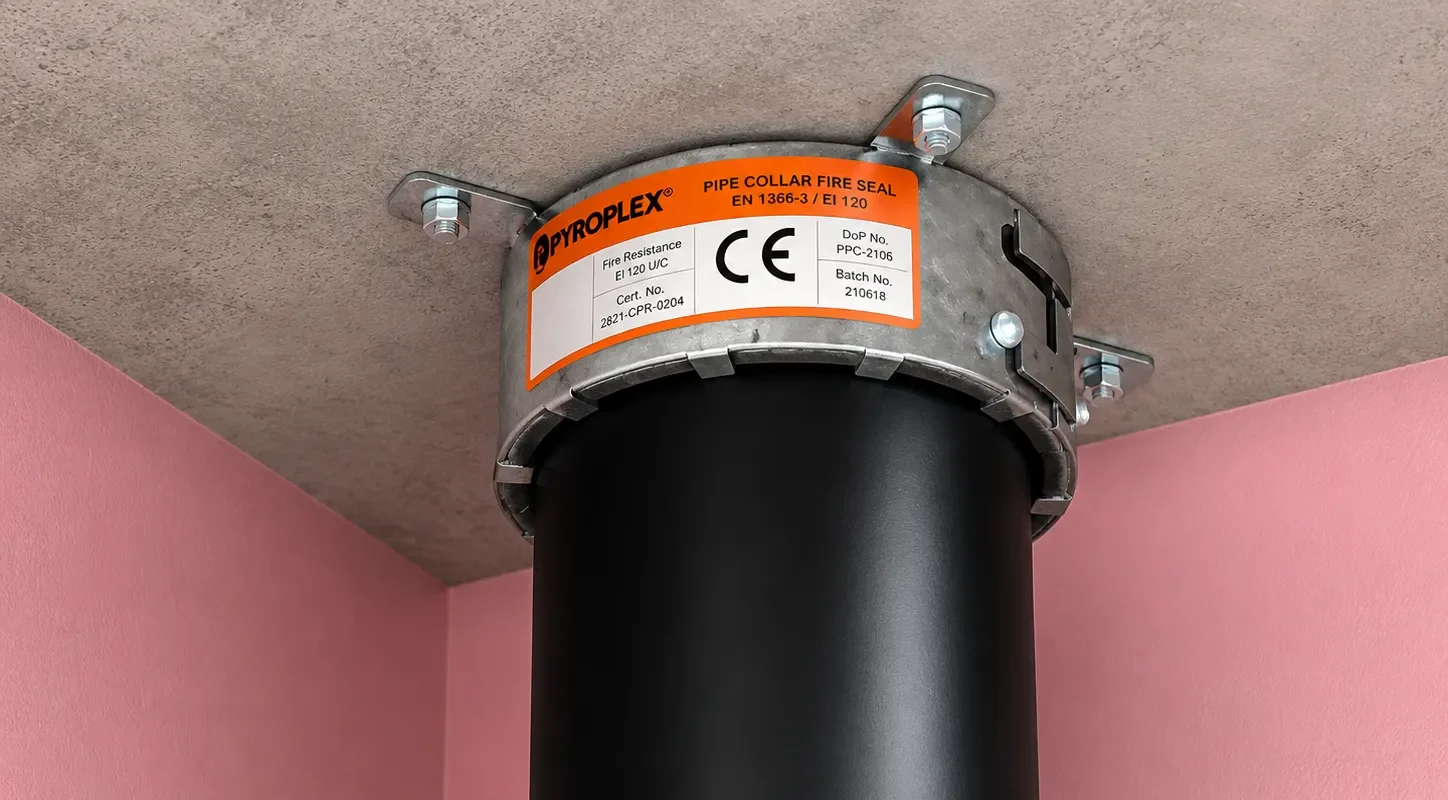
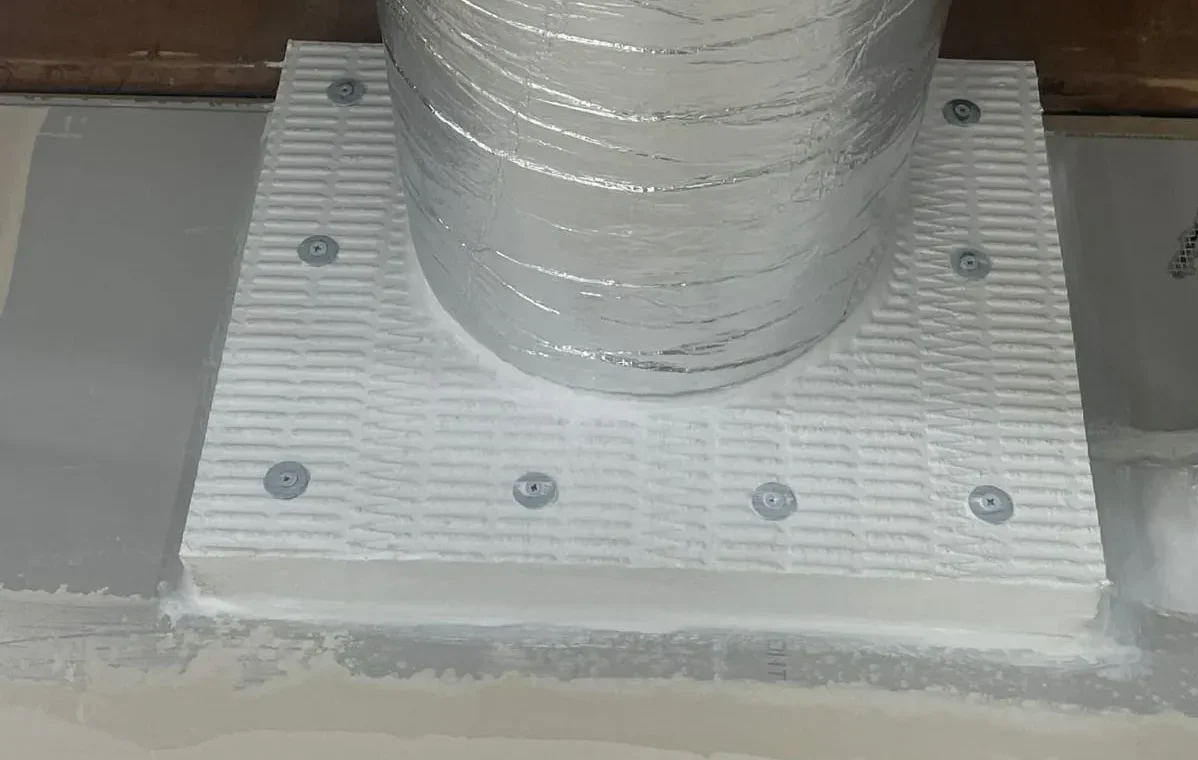
- Service penetration sealing through fire-rated walls, floors and ceilings
- Linear gap and movement joint sealing
- Cavity barriers within external wall cavities, ceiling voids and risers
- Intumescent paint and board encasement to structural steel
- Fire-rated ductwork, dampers and builder's work interfaces
- Acoustic sealing in combination with fire seals
- Pre- and post-installation surveys with photographic evidence
Our Delivery Process
Frequently Asked Questions
What is the difference between active and passive fire protection?
Ans. Active systems detect or fight fire — sprinklers, alarms, extinguishers. Passive systems contain fire — compartmentation, fire doors, fire stopping. A robust fire strategy depends on both working together, but only passive protection works without being switched on.
Is passive fire protection a legal requirement?
Ans. Yes. The Building Regulations (Approved Document B), the Regulatory Reform (Fire Safety) Order 2005, the Fire Safety Act 2021 and the Building Safety Act 2022 collectively require that fire-resistant construction be installed, maintained and documented for the life of the building.
Why do passive systems need to be installed by an accredited contractor
Ans. Tested systems only perform as tested when they are installed by competent operatives, exactly to the manufacturer’s tested detail. Third-party accreditation (FIRAS, BM TRADA) is the regulator’s preferred evidence of that competence — and increasingly, the insurer’s.